
How Do I Choose Hairstyles for Short Hair?
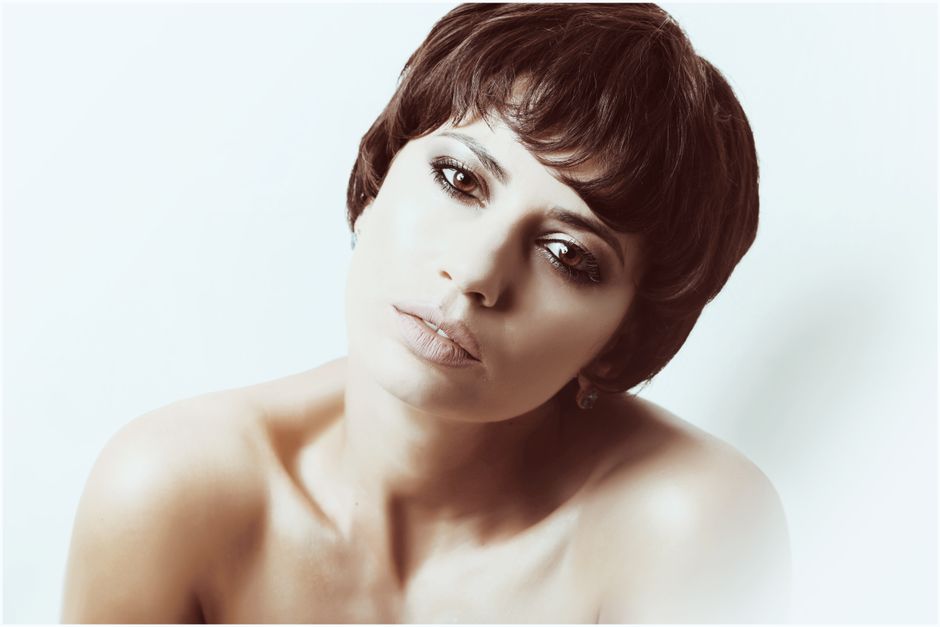
Choose hairstyles for short hair by matching the cut to your length, texture, face shape, occasion, and available styling time. Pixies suit quick finger-styling, bobs offer the most flexibility, and chin-length cuts can support partial updos. Start with your natural texture, use the lightest product that solves the problem, and protect fragile hair from excess heat and tight tension.
What are some easy hairstyles for short hair that take only a few minutes?
Easy hairstyles for short hair include a textured pixie, a controlled side part, a low half-up clip, a soft headband style, and a polished bob tucked behind one ear.
Use a length-first system. For a very short pixie, dampen the hands rather than the whole head, distribute a small amount of styling cream or paste, and direct the top with your fingers. A side part creates a deliberate outline; a loose, uneven finish creates texture without requiring a precise blow-dry. For a short bob, part the hair, smooth the front sections, and secure one or both sides with small clips.
- Flat roots: Apply a small amount of lightweight mousse or dry shampoo at the roots, wait briefly, then lift the roots with your fingers. Keep product away from the ends if they already feel heavy.
- Flyaways: Smooth a tiny amount of cream over the surface with the palms. Use a clean toothbrush or narrow comb only on the specific area that needs control instead of repeatedly brushing the whole head.
- Uneven texture: Twist a few small sections around your fingers while the hair is damp, then let them air-dry. This gives a bob or crop a repeatable pattern without asking every strand to look identical.
- No time for heat: Place a soft headband or two small clips where the part naturally falls. The accessory becomes the structure, so the rest of the hair only needs light smoothing.
The American Academy of Dermatology’s styling guidance recommends minimizing handling of wet hair for most people because it breaks more easily, while people with tightly curled or textured hair may reduce breakage by brushing while the hair is wet. Follow that distinction instead of applying one rule to every texture. The AAD also advises keeping brushing to a minimum because 100 strokes a day can cause split ends.
How can I style short hair for work, school, or a special occasion?
For work, school, or a special occasion, choose the same basic shape and change its finish: controlled and low-volume for work, practical and secure for school, and more defined or accessory-led for an event.
For work, create a clean part, smooth the sides, and add controlled volume only at the crown or top. A bob can be tucked behind the ears, while a pixie can be directed away from the face with a small amount of product. The goal is a repeatable outline that does not require constant adjustment during the day.
For school or a casual day, use a half-up clip, two small side clips, or a loose mini ponytail if the length allows it. Leave the style slightly relaxed rather than pulling every section tight. If the hair is too short to tie back, pin the front sections and let the back follow its natural texture.
For a special occasion, decide whether the finish should be sleek, defined, or deliberately textured. A low-heat blow-dry can smooth a bob, while finger coils, twists, or pinned waves can give short hair a more shaped finish without requiring a full updo. Add one accessory—a barrette, narrow headband, decorative pins, or a clean side part—rather than layering several competing details.
Heat should be a finishing tool, not the foundation of every routine. The AAD recommends using flat irons on dry hair at low or medium heat no more often than every other day, and leaving a curling iron in place for only one or two seconds. Its central point is simple: excessive heat can damage hair regardless of type. The Cleveland Clinic’s hair-care guidance similarly recommends limiting overheated dryers and scorching irons because repeated stress damages the hair fiber.
Face shape can guide the visual balance of the style. If you want to soften a strong jaw, try movement around the sides or a side part; if you want to lengthen a shorter-looking face, keep height at the crown and avoid placing all the volume at cheek level; if your face appears longer, a fringe or fuller side detail can create horizontal emphasis. Treat these as starting points, then judge the whole outline in a mirror from the front and side.
What hairstyles work best for short curly, wavy, fine, or thick hair?
The best hairstyle for short curly, wavy, fine, or thick hair is the one that works with the fiber’s natural behavior and uses enough product to shape it without adding unnecessary weight.
For curly or coily hair, define sections while damp with conditioner or a curl-supporting product, then allow the hair to air-dry or dry gently. A rounded crop, tapered cut, or curly bob can preserve the texture instead of forcing it into a straight shape. Research reviewed in the African Journal of Science, Technology, Innovation and Development explains that curl behavior depends on the structure and mechanical properties of the hair fiber. That is why two short cuts of the same stated length can need different handling.
For wavy hair, encourage the existing bend with a light cream or mousse, scrunch the ends, and avoid brushing once the wave has formed. A layered bob or tousled crop can make the natural pattern part of the design. For fine hair, use lighter products, keep conditioner mainly on the ends, and build volume at the roots rather than coating the full length.
For thick hair, distribute conditioner through the length and detangle in sections. A wide-tooth comb gives you more control than repeated brushing, especially when the hair is damp. A shaped bob, undercut-inspired crop, or carefully directed pixie can reduce bulk while preserving movement; the specific choice depends on how much daily styling you are willing to do.
According to the American Academy of Dermatology’s healthy-hair guidance, product and washing routines should be selected by hair type. Shampoo belongs primarily on the scalp, while conditioner generally goes on the ends of fine or straight hair and along the full length of dry or curly hair. This creates a useful sequence: cleanse the scalp, condition where the texture needs help, then style only the sections that require control.
Can I put short hair into a ponytail, bun, braid, or updo?
You can put some short hair into a ponytail, bun, braid, or updo, but partial versions are usually more practical when the hair does not reach a secure tie point.
A short bob may support a low ponytail or small bun, with pins securing the loose pieces. A pixie may not tie back, but its front and side sections can be clipped, braided in a narrow accent braid, or swept into a mini updo with pins. Chin-length hair often gives you the most options: try a half-up knot, a low ponytail, two small twists, or a pinned French-style section at the front.
- Gather only the sections that reach the tie or pin, rather than forcing the entire haircut into one small bundle.
- Use a soft elastic or clip and leave enough room to slide a finger beneath the style.
- Pin loose ends in their natural direction instead of repeatedly tightening the base.
- Remove the style if it causes pain, stinging, or persistent pulling.
The AAD warns that repeatedly wearing tight ponytails, braids, cornrows, or extensions can create tension and breakage and may contribute to permanent hair loss. The Indian Dermatology Online Journal review also identifies repeated mechanical and chemical treatments, including unregulated heat, as contributors to hair-fiber damage. The practical replacement is a looser style, varied placement, and regular days with the hair down.
If you are seeing more shedding than a styling routine would explain, compare the pattern with Why Am I Suddenly Shedding So Much Hair? Styling advice cannot explain every change in hair density.
Frequently Asked Questions
How do I add volume and texture to short hair without making it look stiff?
Start with dry roots and use a small amount of lightweight texturizing, volumizing, or dry-shampoo product rather than coating the entire head. Lift the roots with your fingers, scrunch waves or curls, and stop when the shape holds; too much product increases weight and stiffness.
What products and accessories work best for styling short hair?
Choose products according to whether your hair is straight, curly, coarse, fine, or tightly coiled. Useful options include conditioner, a wide-tooth comb, heat protectant, lightweight styling cream, mousse, dry shampoo, small elastics, clips, pins, and soft headbands.
How often should I trim short hair to keep its shape?
The right schedule depends on the cut, growth pattern, and how precisely you want the outline maintained. Cleveland Clinic recommends trimming damaged ends approximately every six weeks when maintaining layered styles, so use that as a practical reference rather than a rule for every short haircut.
Sources
Related reading
What Is the Best Hair Cut Style for Men?
Choose the best hair cut style for men by matching face shape, hair texture, density, hairline, and daily styling time.
Best Moisturizer for Aging Skin Over 50: Choose by Skin Type
The best moisturizer for aging skin over 50 matches your skin type, texture needs, and daytime sun-protection routine.
Why Am I Suddenly Shedding So Much Hair?
Learn how delayed shedding may fit telogen effluvium, when to seek evaluation, and what recovery can look like after childbirth, illness, stress, or weight loss
Can Breast Implants Cause Fatigue, Joint Pain, or Brain Fog?
What research says about symptoms linked to breast implants, how clinicians evaluate them, and how to weigh monitoring against removal.