
Best Moisturizer for Aging Skin Over 50: Choose by Skin Type
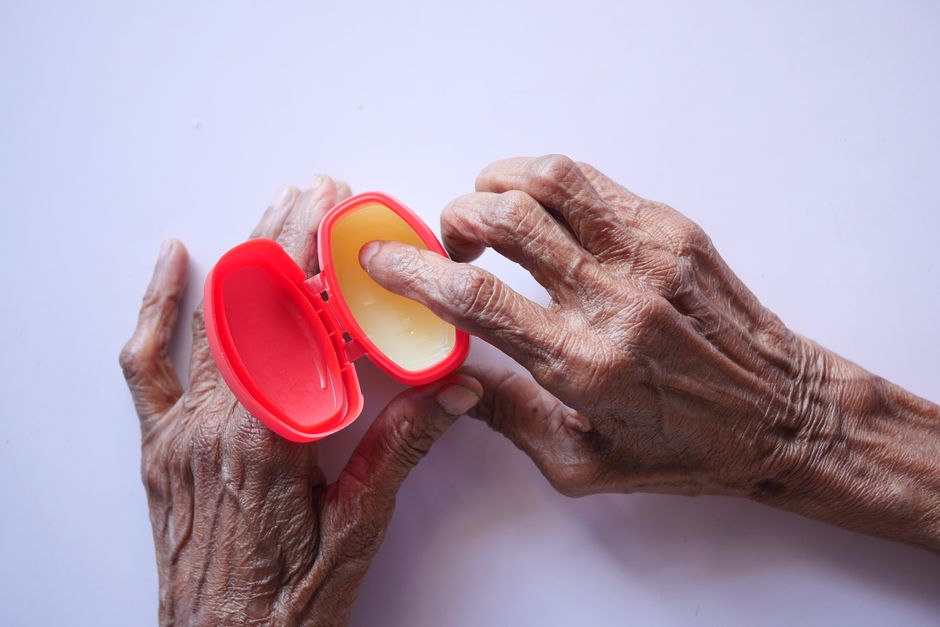
The best moisturizer for aging skin over 50 is the one that fits your skin type and routine: choose a fragrance-free cream or ointment with humectants and barrier-supporting ingredients for dry or sensitive skin, and an oil-free, noncomedogenic lotion or gel for oily or combination skin. For daytime, SPF 30 or higher can simplify the routine if it offers broad-spectrum coverage; outdoor exposure calls for water-resistant sunscreen and reapplication.
What is the best face moisturizer for a 50-year-old woman?
The best face moisturizer for a 50-year-old woman depends on whether her skin is dry, sensitive, oily, or combination. Age alone does not identify the right texture. Start with the skin’s current needs, then compare the ingredient list and how the product fits into a daily routine.
For persistent dryness, the American Academy of Dermatology (AAD) recommends creams or ointments over lotions because they add more moisture. Glycerin and hyaluronic acid are humectants that help draw moisture to skin; dimethicone, mineral oil, petrolatum, and shea butter are also among the AAD’s suggested ingredients for dry skin. Apply moisturizer while skin is still damp and repeat when it feels dry.
For oily skin, a rich cream is not a requirement. The AAD recommends moisturizing even oily skin and choosing products labeled oil-free and noncomedogenic. A lighter lotion or gel can be a practical texture for oily or combination skin, while the product label—not a claim that it is “anti-aging”—helps screen for those features.
For sensitivity, look for fragrance-free rather than unscented. The AAD explains that unscented products can contain odor-masking chemicals that irritate. Introduce new products gradually; a patch test gives reactive skin a measured way to check tolerance before regular use.
What is the best moisturizer for mature skin over 50?
The best moisturizer for mature skin over 50 is one that addresses dryness and supports the skin barrier without adding an irritating ingredient or an unwanted texture. Ceramides are a relevant option: a randomized, split-site, double-blind controlled study in 24 adults with mild-to-moderate age-related dry skin found that a ceramide-containing moisturizer improved hydration, barrier function, and skin pH compared with a hydrophilic cream after 28 days of twice-daily use.
The study also reported improvements in wrinkle and skin-texture measures on the ceramide-treated side. Its sample was small, so it does not establish that every ceramide product will produce the same results. It supports ceramides as an ingredient worth comparing, not a promise of a specific cosmetic outcome.
Price alone is a weak way to choose. The AAD notes that effective anti-aging products are available at different price points and that a higher cost does not guarantee better results. Compare published cost per ounce when available, then weigh it against texture, ingredients, and routine fit. The sources provided do not publish prices for specific products, so the table below leaves costs as not published rather than estimating them.
| Option | Who it suits | Cost | Key limitation |
|---|---|---|---|
| Fragrance-free cream or ointment with dry-skin ingredients | Dry or sensitive skin | Not published | Richer texture may not suit oily skin |
| Oil-free, noncomedogenic moisturizer | Oily or acne-prone skin | Not published | Specific product textures and prices are not provided |
| Ceramide-containing moisturizer | Age-related dry skin; barrier support is a priority | Not published | Supporting study included 24 adults, limiting broad conclusions |
| Broad-spectrum SPF 30 or higher moisturizer | Daytime routine where a combined product is convenient | Not published | Outdoor exposure calls for water resistance and reapplication |
Which skincare line is best for mature skin over 50?
No single skincare line is best for everyone over 50. The available evidence supports choosing products by skin type, ingredients, and sun-protection needs; it does not rank brands or identify a winning product line. A useful comparison starts with the label and the role each product fills, not the age range printed on its packaging.
For a simple routine, match moisturizer texture to the skin, then decide whether daytime sun protection belongs in the same product or a separate sunscreen. A product with broad-spectrum SPF 30 or higher can save a step if it suits the skin and is applied as directed. For time outdoors, the AAD recommends water-resistant, broad-spectrum SPF 30 or higher and reapplication every two hours.
Value also depends on whether a formula is comfortable enough to use consistently. Compare cost per ounce when a price and container size are published. Then assess whether the formula provides the desired texture, avoids ingredients that trigger sensitivity, and meets the needed sun-protection standard. A higher price does not by itself establish better results.
What is the best anti-aging cream for a 50-year-old woman?
The best anti-aging cream for a 50-year-old woman is a moisturizer that meets her skin’s needs, paired with daily sun protection rather than a promise to reverse every sign of aging. The AAD identifies sunscreen and moisturizer as two of the most effective anti-aging products to buy. It also advises matching products to skin type and keeping expectations realistic: no cream delivers facelift results or treats every sign of skin aging.
Retinol and glycolic acid appear in many anti-aging routines, but they can irritate sensitive skin, according to the AAD’s skin-testing guidance. Introduce anti-aging products gradually rather than adding several at once. That makes it easier to identify the cause if redness, itching, or swelling develops.
For a home patch test, apply the product to a quarter-sized spot twice daily for seven to 10 days, using it as it would normally be used. If no red, itchy, or swollen reaction occurs during that period, proceed with regular use. If a reaction develops, wash the product off and stop using it.
Frequently Asked Questions
Should I use a moisturizer with SPF or layer sunscreen over my moisturizer?
A moisturizer with SPF 30 or higher is a convenient option if it provides broad-spectrum coverage. For outdoor daytime exposure, the AAD recommends water-resistant broad-spectrum SPF 30 or higher and reapplication every two hours; choose a separate sunscreen when your moisturizer does not meet those requirements.
Which moisturizer ingredients help dry skin without irritating sensitive skin?
The AAD lists glycerin, hyaluronic acid, dimethicone, mineral oil, petrolatum, and shea butter as helpful ingredients for dry skin. Choose fragrance-free rather than unscented, introduce products gradually, and patch-test a new product for seven to 10 days.
Does mature or oily skin over 50 need a thick cream?
No. The AAD recommends moisturizer for oily skin, with oil-free and noncomedogenic labels, but does not require a thick cream. Texture should match how dry the skin feels: creams or ointments suit persistent dryness, while a lighter option can better fit oily or combination skin.
Sources
- American Academy of Dermatology, Dermatologists' top tips for relieving dry skin
- American Academy of Dermatology, How to control oily skin
- American Academy of Dermatology, How to select anti-aging skin care products
- American Academy of Dermatology, How to test skin care products
- PubMed, Ceramide-containing moisturizing cream study
Related reading

How Do I Choose Tiny Swimwear That Fits and Is Allowed?
Check tiny swimwear for coverage, secure fit when wet, and venue rules before wearing it.

How Do You Choose Wedding Dresses for Older Brides?
Wedding dresses for older brides should reflect personal style, fit, comfort, and the ceremony—not an age-based rule.

Stunning Bikinis: Choose a Flattering, Comfortable Fit
Choose stunning bikinis by matching your preferred cut and coverage with supportive details and a comfortable, secure fit.

Can Breast Implants Cause Fatigue, Joint Pain, or Brain Fog?
What research says about symptoms linked to breast implants, how clinicians evaluate them, and how to weigh monitoring against removal.