
How Do You Choose Wedding Dresses for Older Brides?
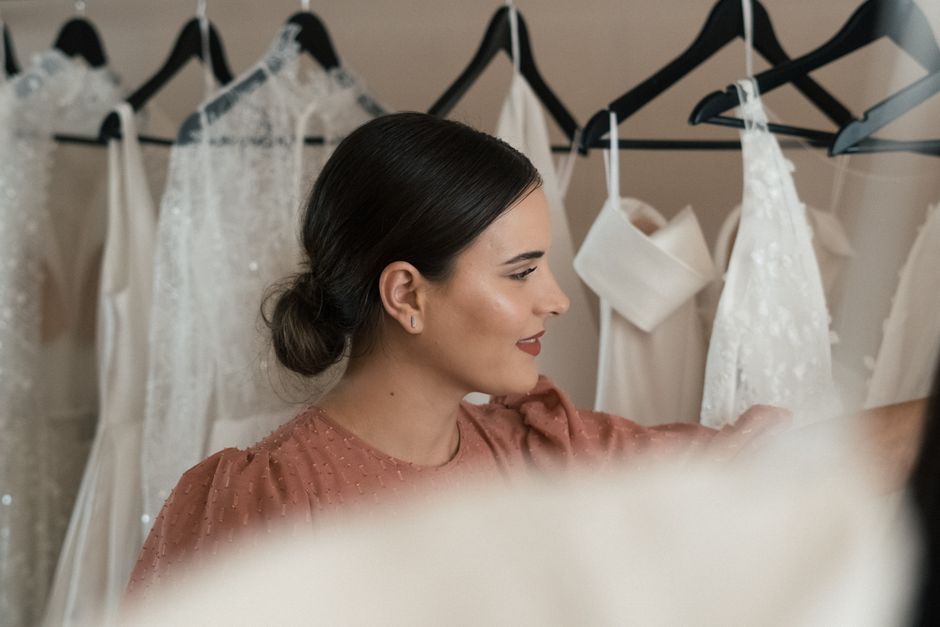
Wedding dresses for older brides should reflect personal style, fit, comfort, and the ceremony—not an age-based rule. White, color, a full-length gown, a suit, or a shorter dress can all work. Choose a silhouette and coverage that feel comfortable, match the venue and formality, and leave room in the budget and schedule for alterations.
Can an older bride wear a traditional white wedding dress?
Yes. White is an option, not a rule tied to age or marriage history. The Victoria and Albert Museum notes that before Queen Victoria’s influential white gown in 1840, brides commonly wore red, pink, blue, brown, black, or patterned dresses. White became an expected choice for many brides later in the nineteenth century, but colored gowns continued to be worn.
That history puts the decision in perspective: a wedding dress can follow tradition, depart from it, or borrow from both. Choose white or ivory if you like the look; choose another shade if it feels more like you. The occasion does not require you to explain the choice.
For a second marriage or vow renewal, the same freedom applies. The Knot’s guide to second-wedding dresses says there is no requirement to avoid a traditional gown, full-length dress, train, or veil. Start with the mood and setting of the celebration, then choose how formal or personal the outfit should feel.
What styles of wedding dresses look good on brides over 50?
Styles that fit comfortably and support the wearer’s preferences look good at any age. Rather than applying an age rule, compare the gown’s neckline, sleeves, waist, skirt volume, and fabric against the fit and movement you want.
A defined waist can bring shape to a flowing skirt; a straighter silhouette can feel easier to walk and sit in. A V-neck or square neckline offers a different look from a high neckline, while sleeves or straps can provide coverage or support. No single neckline or sleeve length suits every body. Try options with the undergarments planned for the wedding and pay attention to whether the gown stays comfortable when standing, sitting, and raising your arms.
Fabric and construction affect comfort as much as silhouette. Structured gowns can create a formal outline, while lighter or softer fabrics may suit a relaxed setting. A train adds ceremony but needs a plan for movement later; The Knot notes that a bustle can secure it for the reception. If you want more coverage or support, a seamstress can add sleeves or straps.
Fit is finished through alterations. The Knot reports that alterations usually take about 6–8 weeks and recommends an initial fitting consultation roughly 2–3 months before the wedding. Bring the shoes and undergarments you intend to wear so the tailor can assess hem length and fit. Its cost guide estimates standard alterations at about $700–$1,000, with actual costs varying by location, gown complexity, and details. Include that expense in the dress budget before shopping.
Do older brides have to choose a shorter or less formal dress?
No. Age does not set a dress length or formality level. A full-length gown, train, veil, tailored suit, or short dress can suit a bride in her 40s, 50s, 60s, or beyond; the venue, ceremony, and personal taste are better guides.
For a large formal wedding, a detailed gown or a long train can match the setting. For an intimate outdoor celebration, The Knot’s second-marriage guide points to pastels or florals as options; luxe textures can suit a formal celebration. Treat these as ways to align the outfit with the event, not prescriptions.
Space matters. The Knot’s courthouse attire guide notes that narrow aisles and crowded waiting areas can make long cathedral veils, trains, voluminous ball gowns, and mermaid styles less practical in confined rooms. A wrap dress, short veil, or bridal pantsuit can be easier to navigate. A larger gown remains an option if it suits the wearer and the setting allows room.
Before buying, check how the outfit works with the venue and weather, where you will sit, and how easily you can move. A bustle, shorter hem, or simpler accessory can solve a practical problem without changing the character of the dress.
What wedding dress colors work well for a bride over 60?
Any color that fits the bride’s preference and the celebration can work. White and ivory are classic choices; champagne, blush, soft blue, metallics, prints, and black are also options identified in The Knot’s guide to second-wedding dresses. There is no age-based color rule.
Color has never belonged to a single narrow tradition. The Victoria and Albert Museum’s historical examples show brides wearing many shades before white became fashionable, while the BBC’s account of wedding-dress history describes how fashion and custom helped white grow in popularity. The BBC quotes V&A senior curator Edwina Ehrman affirming that brides can choose a colored dress or trousers. Those histories make room for personal preference without making any one choice less bridal.
Let setting help narrow the palette. A soft shade or floral print can feel at home at an outdoor gathering; a richer fabric or metallic detail can suit a formal evening. Think about how the color looks in the venue’s light and alongside the wedding’s overall tone. The useful test is whether the choice feels cohesive and comfortable, not whether it meets an age expectation.
For a broader approach to fit and proportion in occasionwear, see Elegant Dresses for Older Women: Choose the Right Fit. Apply the same attention to comfort, tailoring, and movement when trying on a wedding gown.
Frequently Asked Questions
What should an older bride wear for a small or courthouse wedding?
Choose an outfit that suits your style and the space, such as a wrap dress, tailored bridal pantsuit, or short gown. Courthouse rooms can be tight, so a narrow silhouette and manageable accessories are practical. A simple ceremony does not limit you to a simple outfit.
How can I find a wedding dress that offers arm coverage without looking matronly?
Look for sleeves or straps that feel like part of the design, such as a fitted sleeve, sheer overlay, or structured shoulder. A seamstress can add sleeves or straps, according to The Knot. Judge the result by comfort, proportion, and how the gown moves rather than by age-based rules.
What dress styles work for a petite, busty, or changing body shape?
Start with the fit you want at the shoulders, waist, and bust, then compare silhouettes and necklines in person. Bridal gowns often need alterations to fit an individual body, and the final hem depends on the shoes worn with the dress. Bring those shoes and your intended undergarments to fittings.
Can I wear a veil or a ball gown for a second marriage?
Yes. The Knot says there is no rule against a full-length gown, train, or veil for a later marriage. Let the venue and celebration's formality guide practical choices, then choose the style that feels right to you.
Sources
Related reading

Elegant Dresses for Older Women: Choose the Right Fit
Choose elegant dresses for older women by matching dress code, venue, fabric, and fit for polished comfort.
What Everyday Dresses Are Comfortable for Older Women?
A practical guide to choosing breathable, easy-on dresses that stay comfortable for sitting, walking, warm days, and bathroom breaks.
How Do I Choose Tiny Swimwear That Fits and Is Allowed?
Check tiny swimwear for coverage, secure fit when wet, and venue rules before wearing it.

How Do I Get Customers to Buy Without Pressuring Them?
A practical guide to uncovering buyer needs, answering objections with evidence, reducing risk, and making the next step clear without pressure.