
Why Do I Feel Anxious When I Try to Relax?
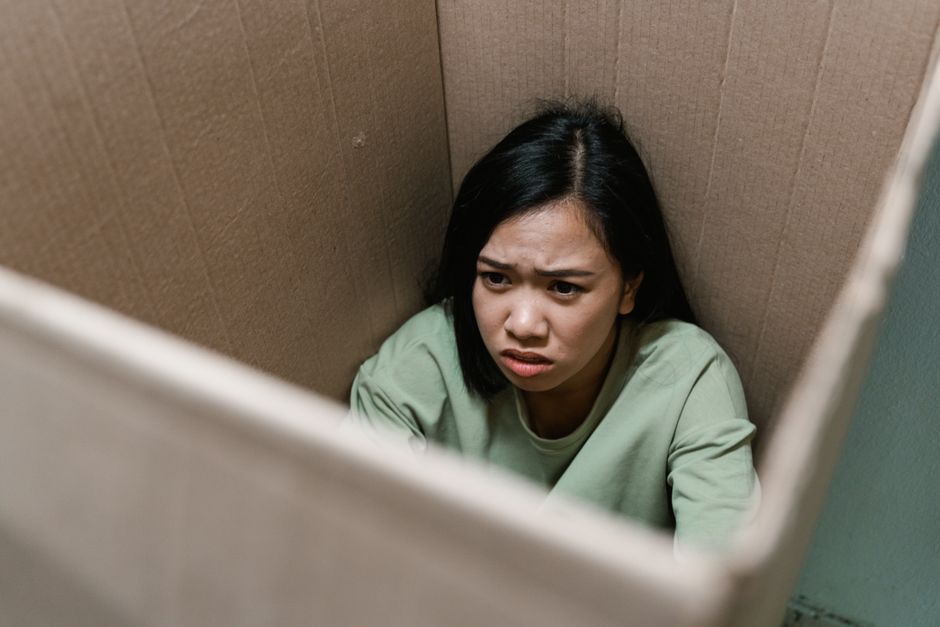
If sitting still, meditating, or focusing on your breath makes you feel more anxious, switch to a gentler form of relaxation rather than forcing stillness. Try comfortable movement, walking, or guided attention to neutral surroundings; keep breathing natural, start briefly, and stop if distress rises. If anxiety persists or feels hard to cope with, discuss it with a health care provider.
Why do I feel more anxious when I sit still or meditate?
You may feel more anxious because quiet attention can make thoughts, fear, or physical sensations more noticeable. Relaxation is not automatically calming for everyone: the National Center for Complementary and Integrative Health (NCCIH) says some people occasionally report increased anxiety, intrusive thoughts, or fear of losing control during relaxation techniques.
That reaction does not mean you are failing at relaxation. It is useful information about what kind of practice feels manageable right now. The U.S. Department of Veterans Affairs (VA) notes that mindfulness can bring up anxiety, panic, discomfort, or body sensations, and that present-moment awareness does not feel safe or comforting for everyone.
There is also a reason to keep the goal modest. A systematic review by Farias and colleagues included 83 studies and 6,703 adult meditation participants. It estimated adverse events at 8.3% overall, with substantial variation between experimental and observational studies; anxiety was the most commonly reported category among studies reporting adverse events. These findings describe varied studies, not a prediction of what will happen to any one person.
Use the practice that lowers the pressure rather than treating stillness as a test. The VA specifically says you do not have to practice only while seated; walking or movement, including yoga, can be alternatives. A neutral focus—feet meeting the floor, the route ahead, or sounds in the room—can give attention somewhere concrete to land.
What can I try if deep breathing makes me feel worse?
If deep breathing makes you feel worse, stop trying to make each breath bigger and let it flow comfortably instead. The NHS recommends gentle, regular breathing without forcing it; a count is optional, not a requirement.
Different approaches place attention in different places. Movement directs it toward action and surroundings; breathing practice stays with a natural rhythm; guided imagery uses a calm scene or verbal prompts; and a body scan moves attention through physical sensations. Since body sensations or inward attention may themselves feel uncomfortable, compare options gently and keep the one that feels tolerable.
| Approach | What you focus on | A gentle starting point |
|---|---|---|
| Mindful walking | Steps, movement, and surroundings | Walk at a comfortable, safe pace; indoors or outdoors |
| Easy breathing | The breath as it naturally moves | Let it stay comfortable; use a count only if it helps |
| Guided imagery | A scene or spoken guidance | Choose a simple prompt and shift away if it feels unsettling |
| Body scan | Sensations in different body areas | Move attention gently; switch focus if sensations increase distress |
The NHS says its breathing exercise can be done lying down, seated, or standing and repeated for at least five minutes, with regular daily practice providing the most benefit. That is guidance for the exercise, not a demand to push through discomfort. If the breath becomes the problem, return to ordinary breathing and try movement or an external focus.
For walking, the VA’s mindful-walking workbook suggests setting aside at least 10 minutes, walking safely at a comfortable pace, and gently returning attention to movement or surroundings when the mind wanders. It also describes mindful walking as useful for brief periods. The key skill is the return—not keeping your mind perfectly clear.
How can I start gently and know when to get support?
Start with the least demanding option and make each practice easy to stop. For example, take a comfortable walk while noticing a few steps or nearby sounds; if that feels steady, try letting your breath flow naturally for a short period on another occasion. You do not need to combine every technique or reach a particular state.
- Pick one anchor. Choose steps, sounds, or natural breathing—not all three.
- Keep the pace comfortable. Walking can be indoors or outdoors; prioritize a safe route and surroundings.
- Notice your response. If tension rises, open your eyes, shift attention outward, change position, or end the exercise.
- Adjust instead of forcing. A seated practice can become a movement practice; a breath focus can become attention to the room.
These steps are a practical way to apply the source guidance, not a clinical treatment plan. If you have mental health challenges, the VA recommends considering mindfulness with professional guidance and discussing concerns with your health care team. NCCIH advises talking with a health care provider when anxiety symptoms persist or become difficult to cope with.
Relaxation techniques are generally considered safe for healthy people, NCCIH says, but a difficult reaction deserves attention rather than judgment. The agency also reports that a 2018 review of 50 studies involving 2,801 people found relaxation therapy seemed less effective than cognitive behavioral therapy for PTSD and OCD; evidence was insufficient to conclude it was less effective for other anxiety disorders. Relaxation can be one tool, but this evidence does not establish it as a replacement for care.
Frequently Asked Questions
Can walking or stretching help me relax if I can't sit still?
Yes. The VA recommends trying walking or movement practices, such as yoga, rather than assuming mindfulness must be done seated. Mindful walking can be done indoors or outdoors at a comfortable pace, with attention gently returned to your steps or surroundings.
How do I start relaxation exercises without getting overwhelmed?
Choose a low-pressure option, such as a comfortable walk or letting your breath move naturally, and keep your attention on something neutral. Stop or shift activities if anxiety or discomfort increases; if you have mental health challenges, consider beginning with professional guidance and discuss concerns with your health care team.
For your next practice, decide on one simple anchor and one easy way to shift if it stops feeling comfortable. Afterward, ask: did movement, breathing, or an outside focus feel most manageable?
Sources
- National Center for Complementary and Integrative Health: Anxiety and Complementary Health Approaches
- U.S. Department of Veterans Affairs, Whole Health: Precautions for Mindful Awareness
- U.S. Department of Veterans Affairs: Mindful Walking Guide
- National Health Service: Breathing Exercises for Stress
- Farias et al.: Systematic Review of Meditation Adverse Events
Disclaimer: This article is for general information only and is not medical advice. It is not a substitute for diagnosis or treatment by a qualified healthcare professional. Always speak to your doctor before acting on anything you read here.
Related reading

What Can I Do When Nothing Sounds Fun Anymore?
A practical guide to choosing small, meaningful activities when depression dulls interest—and tracking effort without expecting instant enjoyment.

What Are Practical, Non-Medication Ways to Manage Anxiety?
Compare CBT skills, exercise, mindfulness, and sleep habits—and learn when everyday anxiety calls for professional support.