
Which Valuable Sports Cards From the 80s and 90s Are Worth Money?
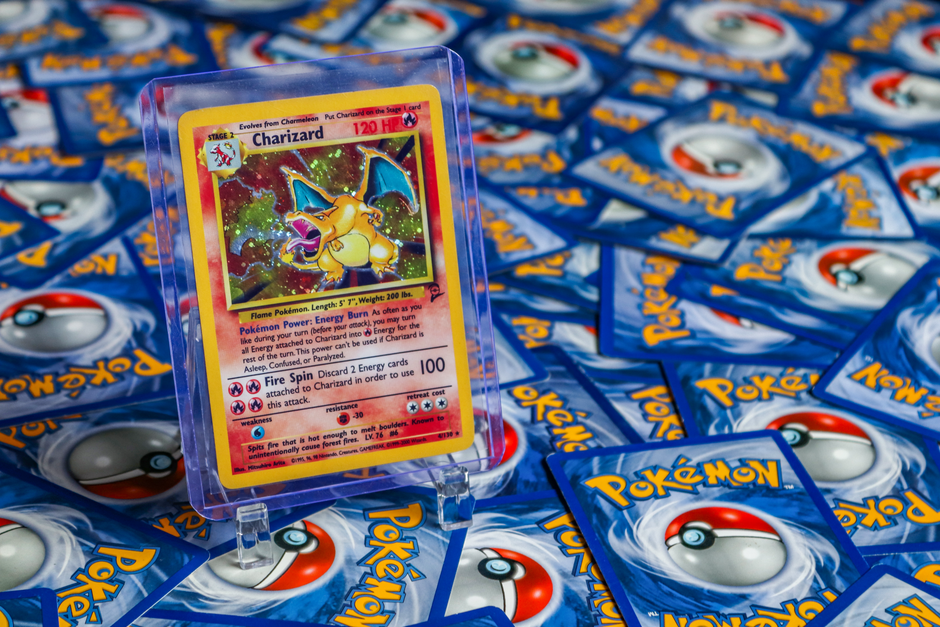
Valuable sports cards from the 80s and 90s tend to be scarce variations, limited inserts, or star cards in unusually strong condition—not ordinary mass-produced copies. Notable examples include the 1980 Topps Rickey Henderson, the 1993 Upper Deck SP Foil Derek Jeter, 1990 Topps Frank Thomas No Name on Front, and 1997 SkyBox Metal Universe Precious Metal Gems Michael Jordan. Check completed sales and population data before assigning a value.
Are there any 80s or 90s sports cards worth money?
Yes, some 80s and 90s cards are worth money, but the year alone is a poor shortcut. The useful distinction is between a common base card and an example made scarce by a variation, insert run, or exceptional condition.
Consider the 1993 Upper Deck SP Foil Derek Jeter rookie. Goldin Auctions reported a $170,000 winning bid, or $204,000 including the buyer’s premium, for a PSA 10 on December 17, 2022. More than 21,000 examples were recorded in the PSA census at the time of the listing, but only 21 had achieved PSA 10. That gap illustrates how condition can create a major premium even when many copies exist.
Compare that with the 1997 SkyBox Metal Universe Precious Metal Gems (PMG) Michael Jordan. Sports Collectors Daily reported that the green Emerald Jordan, serial-numbered 6/100, sold for $350,100 in a PWCC auction in February 2019. Only 10 of the 100 PMG cards had the green background; the remaining 90 had red. The premium is tied to a scarce insert and specific parallel, not simply to a Jordan card being old.
For any candidate, start with the exact card identity, then verify the version and condition. A headline auction result is a reference point, not a price promise for another grade, variation, or sale date.
Which 1980s baseball cards are the most valuable and worth money?
Among the 1980s baseball examples covered by the available sale data, the 1980 Topps Rickey Henderson rookie stands out at the top grade. Sports Illustrated Collectibles reports a $183,000 sale for a PSA 10 and a PSA 10 population of 26. That result belongs to a particularly strong graded copy; it should not be applied to raw or lower-grade cards.
The same source illustrates the condition spread on the 1989 Upper Deck Ken Griffey Jr. rookie: a PSA 10 sold for over $6,000 in late 2025, while raw and mid-grade copies could be found for under $100 at the time of publication. The contrast makes a practical point: “same player, same card” does not mean “same value” when condition differs.
Another card to identify carefully is the 1985 Topps Tiffany Mark McGwire, described by Sports Illustrated Collectibles as an Olympic-team pre-rookie. The source reports a PSA 10 sale just under $4,000 and raw examples around $10–$20. Check that the card is the Tiffany version before comparing its price with a standard issue. A checklist that records player, year, set, card number, and version prevents the common mistake of pricing the wrong card.
What are the top 100 most valuable baseball cards from the 1980s and 90s?
There is no reliable top-100 ranking in the available research sources, so a numbered list of 100 prices would create false precision. Values move with grade, exact variation, and sale date. A more useful approach is to build and verify a shortlist rather than treating a fixed ranking as current market value.
Start with the named examples in the sources: 1980 Topps Rickey Henderson, 1989 Upper Deck Ken Griffey Jr., 1985 Topps Tiffany Mark McGwire, and the 1990 Topps Frank Thomas No Name on Front variation. These examples cover different drivers—high-grade scarcity, condition sensitivity, a distinct Tiffany edition, and a documented missing-name variation. They are candidates to investigate, not a claim that these are the highest-priced 100 cards.
For each candidate, search completed sales for the exact card and grade. Then consult the PSA Population Report by year, set, subject, and card number. PSA says its figures reflect submissions to PSA rather than every copy in existence, and it warns that variety counts may be incomplete when PSA began recognizing a variation only after copies had already been graded. Population data adds context; it does not establish a sale price or prove total scarcity.
What cards from the 1990s are worth money?
Some 1990s cards with documented sales are valuable because they combine a desirable player with a scarce version, insert, or high grade. The Jeter SP Foil rookie and the Frank Thomas No Name on Front variation show two different routes to scarcity: condition-sensitive foil and a specific printing variation.
Heritage Auctions documented a 1990 Topps Frank Thomas No Name on Front card graded PSA 9. Its 2019 listing cited 211 copies of the variation in PSA holders, compared with more than 12,500 standard copies. Those census figures show why the exact version matters. They do not, by themselves, tell you what a card will sell for today.
Use a three-part check before you treat a 1990s card as a valuable find:
- Confirm the identity. Record the year, set, player, card number, and variation or insert. Distinguish a confirmed parallel or variation from a standard issue.
- Inspect the condition. Look at corners, focus, gloss, staining, and centering. PSA’s grading standards describe a PSA 10 as virtually perfect and specify sharp corners and focus, original gloss, no staining, and approximate centering limits of 55/45 on the front and 75/25 on the reverse. Grading also involves judgment about eye appeal.
- Compare sales and grading costs. Look for completed sales that match the card and condition. Estimate the likely difference between raw and graded prices, then decide whether that gap justifies the cost of grading.
PSA also notes that evidence of trimming, recoloring, restoration, tampering, or questionable authenticity can make a card ungradable. If a card has been altered or its authenticity is uncertain, do not assume that a grading submission will turn it into a premium collectible.
| Example | What to verify | What the source data shows |
|---|---|---|
| 1980 Topps Rickey Henderson | Grade and condition | Sports Illustrated Collectibles reports a $183,000 PSA 10 sale and PSA 10 population of 26. |
| 1993 Upper Deck SP Foil Derek Jeter | SP Foil version and grade | Goldin reports a $170,000 winning bid ($204,000 with buyer’s premium) for a PSA 10 in 2022; 21 PSA 10s among more than 21,000 census examples at the time of listing. |
| 1990 Topps Frank Thomas No Name on Front | Confirmed missing-name variation | Heritage cited 211 variation copies in PSA holders versus more than 12,500 standard copies in its 2019 listing. |
| 1997 SkyBox Metal Universe PMG Michael Jordan | Green Emerald parallel and serial number | Sports Collectors Daily reports a $350,100 sale in 2019; only 10 cards in the /100 run had the green Emerald variety. |
Frequently Asked Questions
How can I tell if my old sports cards are valuable?
Identify the year, set, player, card number, and any variation or insert, then compare recent completed sales for the exact version and condition. Use population reports as context, not as a complete census of every copy.
Does a card need to be graded to be worth selling?
No. Grading can help document condition and authenticity, but it adds a cost and does not guarantee a higher net return. Compare the likely sale price in the card’s current condition with the grading expense before submitting it.
Are rare errors, Tiffany editions, or foil cards more valuable than standard cards?
They can be, but the label alone does not set the price. A confirmed variation or scarce insert may have a smaller population than a standard card, while condition and completed sales determine whether buyers are paying a premium.
Sources
Related reading

Can I Work Remotely for a Foreign Employer While Living in Finland?
A practical guide to permits, Finnish tax prepayments, social insurance, and employer duties for foreign remote work from Finland.

How Do I Find Construction Jobs That Will Train Me With No Experience?
Find paid entry-level construction training, verify real upfront requirements, and spot job listings that deserve a pass.

How Can I Find Long Distance Delivery Jobs With Your Own Car?
Compare long-distance delivery offers by total miles, time, vehicle costs, taxes, return options, and insurance before accepting.