
What Are Practical Corporate Party Ideas for Every Team?
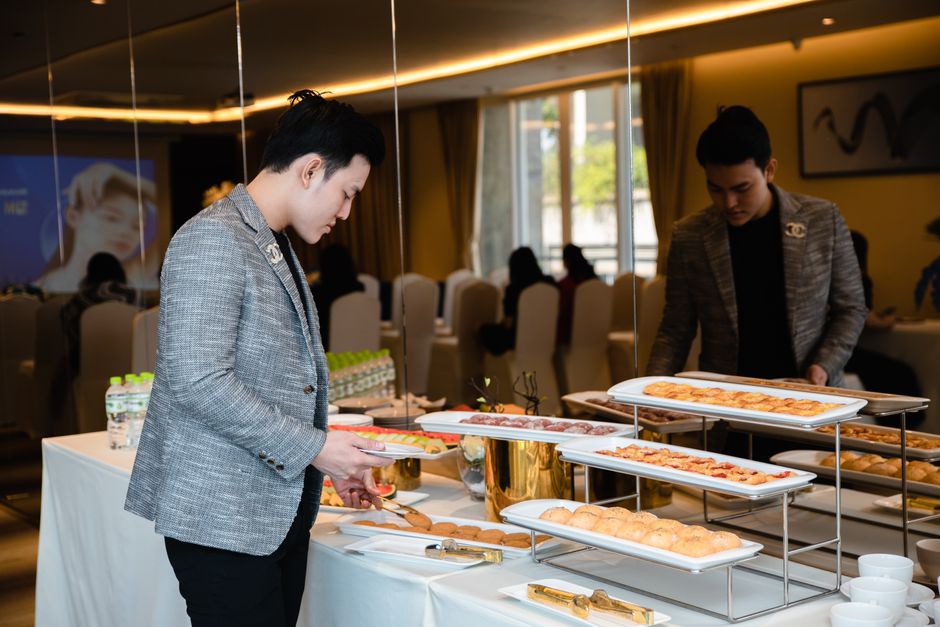
Corporate party ideas work best when they offer a mix of optional activities, relaxed conversation, and accessible ways to take part. Match the format to the group, budget, venue, and event purpose; ask employees what they prefer; and make alcohol-free, dietary, mobility, and quiet-space needs part of the plan. A clear schedule can guide the event without making every moment compulsory.
How do I make a corporate party fun for employees with different interests?
Make a corporate party fun by giving employees more than one comfortable way to participate. Some will want to play, some will prefer to watch, and others will value a quiet conversation over a scheduled activity.
That mix matters. In a November 2024 Harris Poll survey of 1,238 employed U.S. adults, 86% of workers at companies holding holiday parties said entertainment and activities were important; the same share valued inclusivity and accessibility. Yet 72% reported concerns about attending, including awkward conversations and excessive alcohol consumption. The lesson is practical: an event can offer energy without requiring everyone to perform.
Use these seven ideas as a menu. Group sizes and budget labels below are planning guides, not sourced industry thresholds or price quotes; estimate costs from local venue and supplier quotes. “Small,” “medium,” and “large” describe relative scale rather than fixed headcounts.
| Idea | Group fit | Effort | Budget | Participation style |
|---|---|---|---|---|
| 1. Conversation cards and a short quiz | Small to large | Low | Low | Optional, seated or standing |
| 2. Creative art station | Small to medium | Medium | Low to medium | Drop-in, hands-on or watchable |
| 3. Interactive game show | Medium to large | Medium | Medium | Team play with a spectator option |
| 4. Live music or a short theater set | Medium to large | Medium | Medium to high | Mostly spectator-friendly |
| 5. Comedy or magic performance | Small to large | Low to medium | Medium to high | Watch without taking the stage |
| 6. Charity auction or giving activity | Small to large | High | Variable | Bid, contribute, or observe |
| 7. Wellness or quiet creative corner | Small to large | Medium | Low to medium | Calm, opt-in participation |
These choices reflect formats respondents selected in the Harris Poll: 35% chose themed parties with interactive elements, and 29% chose creative or arts-based activities. The survey also found that 42% of Gen Z respondents preferred alcohol served in moderation or not at all. Treat those findings as signals to offer choice, not as a substitute for asking your own staff.
Before booking, gather preferences and accommodation requests. The New York State Department of Health recommends checking the venue, activities, amenities, restrooms, and routes for accessibility, and its checklist includes dietary needs, quiet areas, accessible transportation, and feedback. A designated contact for accommodation requests and food restrictions is also recommended by Meeting Professionals International and NYU’s Jonathan M. Tisch Center of Hospitality.
What are some fun activities for a corporate event?
Fun corporate event activities combine a clear invitation with a genuine option to pass. A creative station can sit beside a performance; a quiz can be brief and optional; conversation can remain a complete way to spend the event.
The World Health Organization Regional Office for Europe’s 2026 guide advises asking colleagues for input and suggests optional conversation cards, a short quiz, or a small creative exercise. It also recommends seating for both sitters and standers and collecting feedback afterward. These details make a format easier to join without turning it into a test of enthusiasm.
- For a short office gathering: Open with informal mingling, offer a short welcome, then run an optional quiz or creative activity. Leave a final block for conversation and refreshments. For example, a 90-minute schedule could use 20 minutes for arrival, 10 for welcome, 25 for the activity, and 35 for open conversation; these are planning allocations, not research findings.
- For a larger off-site evening: Start with arrival and unstructured mingling, then introduce food and a short performance or game-show segment. Keep a quiet seating area and a creative or conversation station available throughout, then close with another open block. Confirm transport, access routes, and cleanup responsibilities with the venue before setting the schedule.
A volunteer activity works better as an invitation than an obligation. A Bowling Green State University vignette study involving 403 participants found that voluntariness affected how participants appraised fun, autonomy, and organizational care. The study also found more positive appraisals when work friends, rather than only acquaintances, were expected to attend. Let people choose a role, arrive with a colleague, or take part only as spectators.
What are good office party ideas for a large group?
Good office party ideas for a large group use zones, clear routes, and activities that do not depend on everyone moving or speaking at once. A single stage program can be one element, but it should not be the only way to belong.
Use a venue visit to check activity areas, amenities, bathrooms, entry routes, and seating. The New York State Department of Health describes 36-inch aisles as a general ADA pathway guideline and advises planning for a space that can hold 30% more people than expected. Confirm the actual requirements for the venue and event rather than treating a general guideline as a complete access review.
Build a simple decision framework before choosing the entertainment. Start with employee feedback and the event’s purpose: recognition, seasonal celebration, or informal connection call for different levels of structure. Then check the venue, access needs, budget, and who handles setup and cleanup. A high-effort activity that leaves no room to talk can work against a gathering meant for connection.
- Access: Review routes, restrooms, transportation, seating, dietary needs, and a quiet space. Ask for accommodation requests through a named contact.
- Comfort: Include alcohol-free options, and account for religious considerations when choosing dates, food, and activities. Offer family-friendly formats if the intended audience includes families.
- Flow: Keep an open area for mingling and provide both seated and standing options. Make performances watchable without participation.
- Finish: Assign setup and cleanup responsibilities in advance, then ask for feedback to inform the next event.
In its report based on a survey of 1,087 meeting professionals and 16 expert interviews, MPI and NYU’s Tisch Center found that 40% of respondents cited information or knowledge gaps as a barrier to inclusive events, while 39% reported no barriers. The gap points to a useful planning habit: do not assume needs are known. Ask early, provide a clear contact, and make the response part of the venue and schedule plan.
Frequently Asked Questions
How can we plan a company party on a small budget?
Choose a simple venue, a short schedule, and optional low-cost activities such as conversation cards, a quiz, or a creative station. The WHO says workplace gatherings can be memorable and inclusive without large budgets or elaborate venues. Keep the plan focused on one or two activities and allow time for conversation.
How do I make a work party welcoming for people who do not drink?
Make alcohol-free choices visible and appealing, and give the event a purpose beyond drinking. The WHO’s 2026 guide recommends planning alcohol-free workplace gatherings and using optional conversation cards, quizzes, or creative exercises. Avoid making alcohol the centre of the schedule or the only way to participate.
What are fun corporate activities that do not feel like forced team building?
Offer activities as choices, not obligations. A vignette study involving 403 participants found that whether a workplace fun activity was voluntary affected how participants viewed its fun, their autonomy, and organizational care. Set out a few stations or a show people can watch, and leave room for unstructured mingling.
Sources
Related reading

What Are Practical, Non-Medication Ways to Manage Anxiety?
Compare CBT skills, exercise, mindfulness, and sleep habits—and learn when everyday anxiety calls for professional support.

How Can a Business Make Custom OSHA Warning Signs?
Learn how to design custom workplace hazard signs that communicate site-specific risks while following applicable OSHA requirements.

How Far Ahead Should Nurse Managers Post Fair, Safe Schedules?
Build nurse schedules around patient demand, skills, availability, and rest to reduce overtime and improve staffing balance.
Choose an Entertainment Event Company With Confidence
Compare event company services, experience, itemized pricing, and contract terms before you hire.